
Meeting Summary of the West Sussex Dementia Alliance
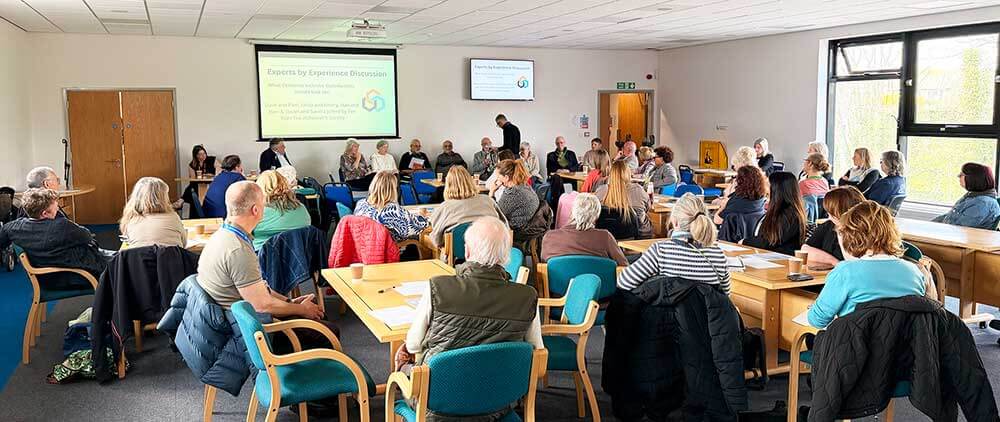
The Dementia Care Initiatives Meeting in West Sussex brought together a diverse group of stakeholders, including people living with dementia, carers, professionals, and representatives from local alliances and organisations. The meeting began with a focus on the importance of storytelling in dementia care, emphasising how personal stories can inform care plans and improve quality of life. There was a strong consensus on the need for comprehensive dementia training—not only for professional staff but also for family members and carers. Peer support and education were highlighted as essential, with the group aiming to act as an umbrella organisation to unify and amplify the work of various dementia alliances across the county. A significant portion of the discussion centred on creating dementia-friendly environments in public spaces such as restaurants, cafes, pubs, and public transport. Practical suggestions included displaying window stickers to indicate dementia awareness, staff training to foster patience and understanding, and the use of sunflower lanyards to discreetly signal that someone may need extra support. The group shared positive experiences where such measures had already improved accessibility and comfort for people with dementia.
Healthcare Settings
Healthcare settings were another major focus. The benefits of having dementia nurses in GP surgeries were discussed, with examples of thorough, unhurried annual checkups that consider both the patient and their carer. The need for quiet spaces and flexible appointment times in GP practices was raised, as well as the importance of clear signage and supportive staff in hospitals. However, there were also accounts of negative experiences, particularly in Worthing Hospital, where lack of appropriate care and poor communication led to distress for patients and carers. The group resolved to address these issues by drafting a letter to hospital leadership and involving local MPs.
Transport
Transport was identified as a key enabler for people with dementia to access healthcare and community activities. Community transport services and patient transfer systems were praised, but it was noted that awareness of these services needs to be improved among both professionals and the public.
Chichester Alliance
The meeting also highlighted the work of the Chichester Dementia Alliance, which has established itself as a community-led collective dedicated to making Chichester a dementia-aware city. Their initiatives include bespoke training for businesses, development of a website and map of dementia-friendly services, and active participation in local events to raise awareness. The Alliance is structured as an unincorporated association to facilitate funding and collaboration.
Postcode lottery of care
A recurring theme was the postcode lottery in dementia care, with significant disparities in access to Admiral nurses and other specialist support across Sussex. The need for better signposting to resources, more consistent training standards (potentially mandated by CQC), and greater collaboration between charities and statutory services was emphasized. The group also discussed the importance of social and community groups—such as dementia choirs and sporting memories clubs—in reducing isolation and supporting both people with dementia and their carers.
The meeting concluded with calls for more business sponsorship of dementia initiatives, ongoing advocacy for improved hospital care, and a commitment to co-production—ensuring that people with lived experience of dementia are at the heart of all planning and decision-making. The next steps include expanding the steering group, increasing public and professional awareness, and continuing to lobby for equitable, person-centred dementia care throughout West Sussex.
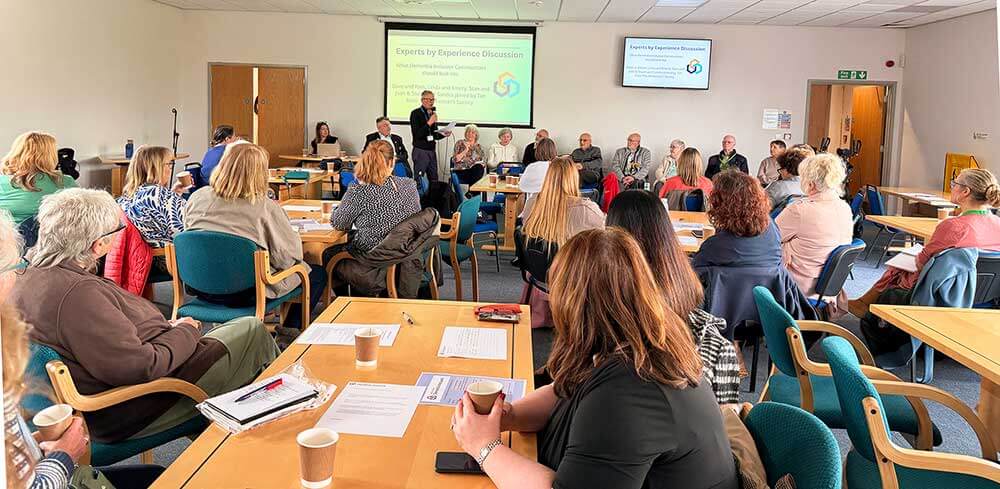
Action Items to take forward
- Secure sponsorship for a banner for the next West Sussex Dementia Alliance steering group meeting venue, using the banner to clearly identify the event as a West Sussex Dementia Alliance activity rather than a Beehive-only event. @Julia Johnson, Fine Marketing.
- Share the Chichester Dementia Alliance’s planned dementia-friendly hospitality training programme with the Worthing group so they can start preparing local businesses in advance.
- Draft and send a letter on behalf of the West Sussex Dementia Alliance to Worthing Hospital leadership about the concerns raised regarding dementia care and nutrition, connect people who experienced poor care with MP Becky Cooper, and try to arrange a meeting with a minister about Worthing Hospital’s dementia services.
- Create a dedicated community transport tab on the Sussex Dementia Voices website so that people can easily find local community transport options.
- Add Community Transport Sussex to the new community transport tab on the Sussex Dementia Voices website.
- Migrate the Chichester Dementia Alliance website from GoDaddy to a more suitable platform.
- Develop a map and calendar on the Chichester Dementia Alliance website listing dementia-friendly businesses, local support services and community events.
- Expand the Chichester Dementia Alliance steering group to include more people with dementia and carers and organise larger meetings that involve a wider range of stakeholders.
Outline of meeting
Dementia Research Project and Peer Support
- A dementia research project was mentioned focusing on using storytelling to plan care plans before people move into a care home.
- Emphasizes the need for dementia training and peer support, including family members, to educate people diagnosed with dementia.
- The steering group aims to be an umbrella for all dementia alliances, focusing on developing better training and lobbying the government for necessary resources.
- The group is drafting Terms of Reference and welcomes new members to join the steering group.
Introduction of Tim Wilkins and Experts by Experience
- Tim Wilkins introduces himself as the service user involvement officer for Alzheimer’s Society in West Sussex.
- The plan is to interview experts by experience (people living with dementia) about their thoughts on dementia-friendly communities.
- The focus is on co-production and co-design, aiming to model dementia-friendly communities in West Sussex.
- The goal is to reduce stigma, promote awareness, and empower people affected by dementia to take decisions about their own lives.
Discussion on Dementia-Friendly Restaurants, Cafes, and Pubs
- Linda suggests that restaurants, cafes, and pubs should display posters indicating they are dementia-friendly and recognize the sunflower lanyard.
- Emphasizes the need for staff to be dementia aware, patient, understanding, and to give time to people with dementia.
- Discussion on the importance of the sunflower lanyard as a visible sign of needing help.
- Tim mentions the concept of dementia-friendly GPS and the role of dementia nurses in providing thorough checkups.
Experiences with Dementia-Friendly GP Surgeries and Buses
- Sandra shares her positive experience with a dementia nurse who provides thorough annual checkups for her husband.
- The nurse takes time to understand and address all aspects of her husband’s health, including his wife’s well-being.
- Stan discusses improvements in bus services due to increased dementia training for drivers, making bus travel more accessible for people with dementia.
- Joan praises the patient transfer system for providing reliable transport to medical appointments, especially for those who cannot drive.
Involvement in PPGs and Improving Dementia-Friendly Environments
- Dave and Pam discuss their involvement in the patient participation group (PPG) at Goring Halls, advocating for dementia-friendly signage.
- The importance of having people affected by dementia in GP surgeries to improve care and support is highlighted.
- Discussion on the challenges of getting hospitals to adopt dementia-friendly practices, such as the butterfly scheme.
- The need for ongoing efforts to keep initiatives going and the role of individuals in driving these changes is emphasized.
Challenges and solutions in Hospital Care
- Stan shares his experience of losing weight due to inappropriate food in a hospital, highlighting the need for better diabetic and dementia-friendly food options.
- One person mentioned the use of yellow boards in Chichester hospital to indicate specific needs, such as food preferences.
- The importance of the butterfly scheme in hospitals to identify and support people with dementia is discussed.
- The need for better training and awareness among hospital staff to improve care for people with dementia is emphasized.
Community Transport and Support for People with Dementia
- Joan highlights the importance of community transport for people with dementia, especially those who cannot use taxis.
- The role of community transport in providing reliable and accessible transport to medical appointments and social activities is discussed.
- The need for better signage and awareness among transport providers to support people with dementia is emphasized.
- The potential for businesses to sponsor training programs and initiatives to support people with dementia is explored.
Initiatives and Collaboration in Dementia-Friendly Communities
- The importance of collaboration among different organizations and businesses to create dementia-friendly communities is highlighted.
- The role of national initiatives, such as football clubs becoming dementia friendly, in raising awareness and support is discussed.
- The need for ongoing efforts to keep initiatives going and the role of individuals in driving these changes is emphasized.
- The potential for businesses to sponsor training programs and initiatives to support people with dementia is explored.
Lived experience and motivation – Speaker: Howie Blanks.
Howie cared for his mum for five years and only learnt about dementia support organisations (e.g., Dementia UK, Alzheimer’s Society) after her death.
He describes having no signposting, no training, and high anxiety, including a crisis situation where his mum held a weapon and he had no guidance on how to respond.
Highlights that around 60% of carers experience anxiety or mental health issues, and that basic training and signposting are “a simple fix” that is currently missing.
Training and CQC expectations
Praises a powerful 1.5‑hour dementia training session he attended in a care home as “the most enlightening thing” he’d seen.
Emphasises that free Level 2 “Understanding Dementia” NVQ courses exist and should be widely used.
Argues that CQC inspections should include stronger, clearer expectations around dementia-specific training, not just generic “person-centred care.”
Sussex-wide inequality and postcode lottery
Notes a postcode lottery across Sussex: some areas have strong dementia support (e.g. Sage House in Chichester, good GP dementia nurses in Worthing), while others have very little.
Points out that Sussex has one of the oldest populations in the South East, yet:
- There are no Admiral Nurses currently working in Sussex, despite plans for ~500 nationally by next year and 1000 within five years.
- Previously existing Admiral Nurse posts in Eastbourne and Horsham were lost, largely due to funding pressures.
Approx. 15,000 diagnosed people with dementia in Sussex + 9,000 undiagnosed (total 24,000).
This implies 17,000 carers, of whom a large proportion will have mental health needs.
Sussex Dementia Voices initiative
Howie founded Sussex Dementia Voices after his experiences, currently run as a self-funded volunteer project:
- He drives around Sussex at his own expense.
- He personally funds the Sussex Dementia Voices website and mapping work.
The site aims to be a central hub for:
- Dementia cafés and support groups across Sussex.
- Home care agencies with “Good” or “Outstanding” CQC ratings.
- Community transport services (he is adding a dedicated tab for this).
He is now converting Sussex Dementia Voices into a CIO (charitable incorporated organisation) to:
- Make the project sustainable.
- Offer small grants to smaller dementia groups/cafés for equipment and support, not just the large, well-funded charities.
Admiral Nurses, helplines, and signposting
As a volunteer ambassador for Dementia UK, he:
- Promotes the Dementia UK helpline, where carers can speak to an Admiral Nurse by phone.
- Highlights online Zoom sessions with Admiral Nurses, which he says would have made his own caring experience much easier.
Notes face‑to‑face Admiral Nurse clinics (e.g. in Hove and Crawley) that people can book via the Dementia UK or Sussex Dementia Voices sites.
He is actively lobbying Dementia UK for Admiral Nurse posts in Sussex and is candid that he is also “one of their biggest critics” due to the lack of local provision.
Fragmented services and need for collaboration
Describes Sussex support as “fragmented” and siloed, with many excellent but disconnected initiatives (e.g. Sage House, Sporting Memories groups, Beehive, “Raise Your Voice” dementia choir, Be Active in Dial Post).
Stresses that funding competition leads organisations to protect their “own pot,” which discourages collaboration.
Argues strongly that charities and groups must work together, not in silos, and says this Alliance meeting is a positive example of that collaboration.
The value of groups and living well
Reflects that he initially focused on how hard caring had been for him, but through volunteering (e.g. at Sporting Memories in Worthing and elsewhere) he realised:
- Group activities are lifelines for people with dementia and their carers.
- Social connection, cognitive stimulation, and meaningful activity may be as important as early-stage medication in helping people live well.
Cites examples of impactful groups:
- Sporting Memories: reminiscence using sport, photos, and videos (9 groups in Sussex, many run by Sussex Cricket Foundation and Brighton & Hove Albion’s foundation).
- Raise Your Voice (near Lewes): dementia choir linked to Glyndebourne.
- Be Active in Dial Post: exercise, chair-based activities, games (e.g., curling, table football).
- Beehive and its hubs in Ferring and Worthing, which he praises as some of his favourite examples of good practice.
Next steps and sustainability
Sussex Dementia Voices will:
- Continue to expand its online map of services, including community transport (e.g. Community Transport Sussex).
- Seek charity status to fund small local groups.
- Maintain pressure for Admiral Nurses in Sussex.
He calls for:
Better signposting from home care, hospitals, and GPs to Dementia UK, Admiral Nurse helplines, and local support.
A shift away from siloed, funding-protective mindsets towards joint working.
Chichester Dementia Alliance and Future Plans
- Cheryl from the Chichester Dementia Alliance shares their mission to make Chichester a dementia-aware city.
- The alliance is made up of 10 organizations representing different areas of support for carers and people living with dementia.
- They have developed a bespoke training session for businesses and organizations to create dementia-friendly environments.
- The alliance aims to create a one-stop source of information for carers and people living with dementia in Chichester, with plans to list dementia-friendly businesses and local support services on their website.