
West Sussex Dementia Network launched to drive collaboration and change
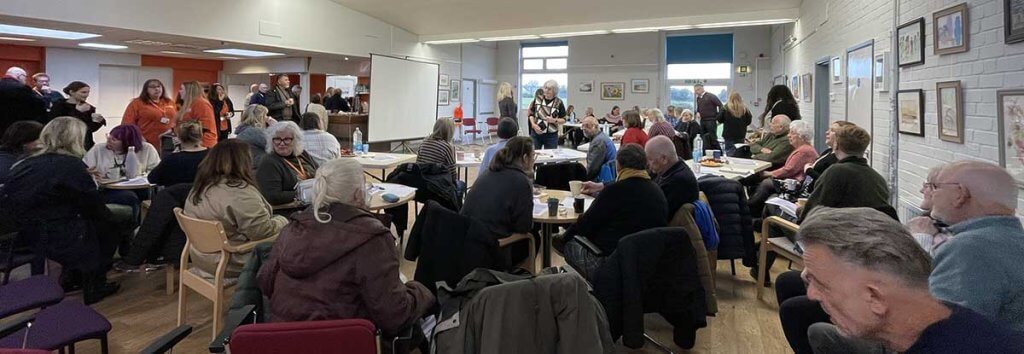
Beehive Care is proud to have brought together professionals, organisations, carers and people living with dementia for the launch of the West Sussex Dementia Network – a new community-led initiative focused on collaboration, shared learning and meaningful change.
Held at Glebelands Community Centre in Ferring, the first network meeting marked an important step forward in strengthening dementia support across the county at a time when there is no national dementia strategy in place.
Recognising the growing need for joined-up thinking and partnership working, Beehive Care initiated the network to create space for open discussion, shared expertise and collective action.
Building on strong foundations
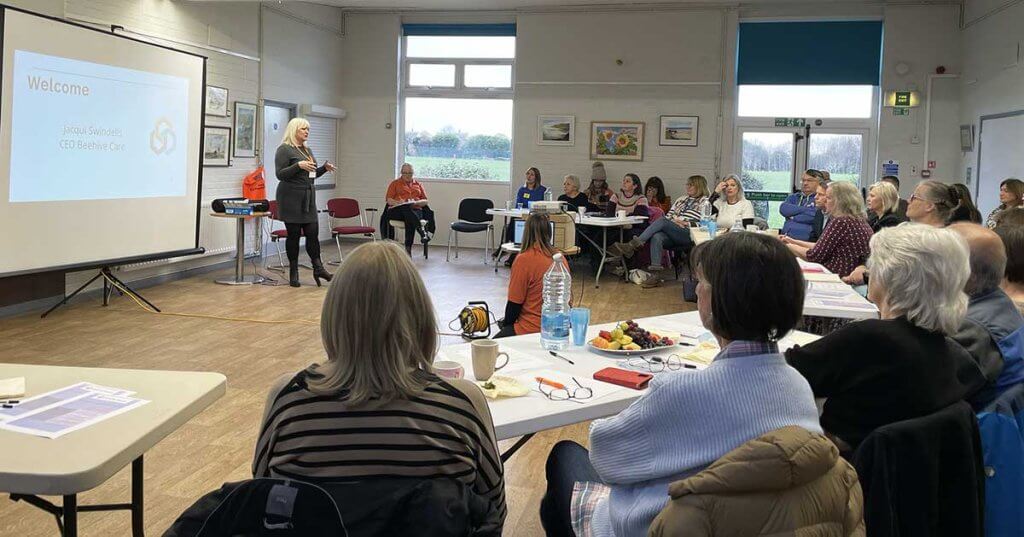
During the meeting, Jacqui Swindells, Chair of Beehive Care, reflected on the impact of the Worthing Dementia Action Alliance, formed in 2013, which achieved positive local change before losing momentum during the Covid pandemic.
“There is definitely an appetite for working together and I think that is the way forward for the future. We want to make positive changes for people living with dementia and make life easier for carers as well.”
While Beehive Care has led the launch, the West Sussex Dementia Network is designed to be open, inclusive and community-led, with quarterly meetings planned across the county alongside focused steering groups.
The case for better training and education
A key theme throughout the meeting was the need for improved, consistent dementia training across health and social care.
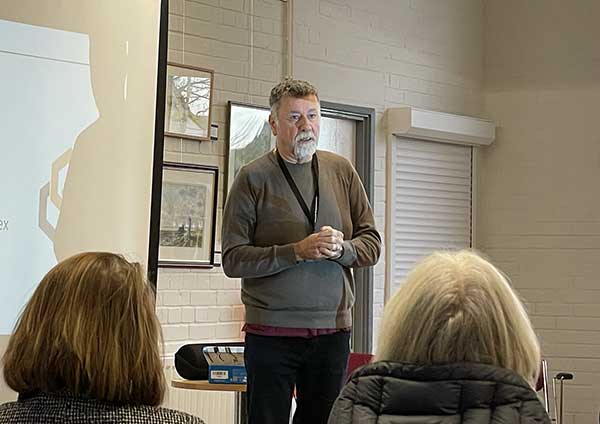
Rosemary Pavoni, Chair of West Sussex Partners in Care, highlighted the success of Oliver’s Campaign and the Oliver McGowan Mandatory Training, which is now legally required for health and social care staff in England. She spoke passionately about the need for a similar approach for dementia care.
“If one mum can achieve this, why can’t we? We need to be able to lobby to get a prescriptive training programme for care homes.”
“I think training and education have stood still – in fact, I think it has regressed. Dementia training has become the Cinderella of social care.”
Rosemary Pavoni’s presentation notes on the lack of dementia training are available to download for further insight and background.
Understanding delirium, environment and care at home
Alison Keizer, Nurse Consultant, shared vital insights into delirium and its strong links with dementia. She explained how making delirium training mandatory at Sussex Community NHS Foundation Trust has already reached more than 2,500 staff, alongside new policies and family information resources.
“Anyone can develop delirium, but you are much more likely to develop it if you have dementia.”
Alison also spoke about the importance of the right environment and her focus on supporting people to be treated at home wherever possible.
“For a lot of people, home is the best place. Hospitals are not the best place for people with dementia.”
She also highlighted emerging research into the links between dementia, diabetes, loneliness and social isolation.
“It is really important that we have community hubs and that we talk to people in their 40s and 50s about loneliness – they are the next generation.”
Reducing isolation through accessible transport
Accessible transport was another key topic, with Matt Roberts, Chief Executive of Community Transport Sussex, explaining how transport services play a vital role in tackling loneliness and isolation.
“The main reason we exist is to respond to loneliness and social isolation through accessible transport across West Sussex.”
Community Transport Sussex is now developing a new partnership with Beehive Care and Sight Support Worthing, which will increase accessible vehicles in the Ferring area and include additional dementia training for volunteer drivers.
Tailored support and research-led approaches
Faye De Waal, Occupational Therapist, welcomed the collaborative nature of the network and shared insights into specialist services, including the young-onset dementia pathway for people under 70.
“We have seen a huge rise in referrals, but diagnosis numbers are still quite low.”
The meeting also heard from Martha Pusey, who spoke about her research project My Story My Future and upcoming storytelling workshops in care homes, designed to help people express their wishes and plan for future care.
Keeping the momentum going
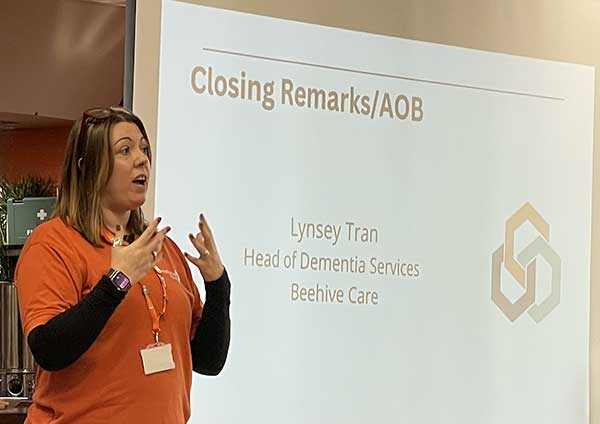
The launch event concluded with a shared commitment to turning conversation into action. Lynsey Tran, Head of Dementia Services, confirmed that the next step will be forming a steering group, with the second network meeting planned for April, ahead of Dementia Action Week in May.
“We have got to keep the momentum going.”
Rosemary Pavoni’s presentation notes on the lack of dementia training are available to download for further insight and background.